2025
Entries

The Negative Embodied Carbon Autonomous Unmanned Surface Vehicle (NEC-USV) is a pioneering maritime platform designed to achieve a net-negative carbon footprint while delivering advanced capabilities for maritime security and environmental monitoring. Constructed with carbon fiber derived from captured and recycled CO2 and powered by synthetic e-fuel combustion,
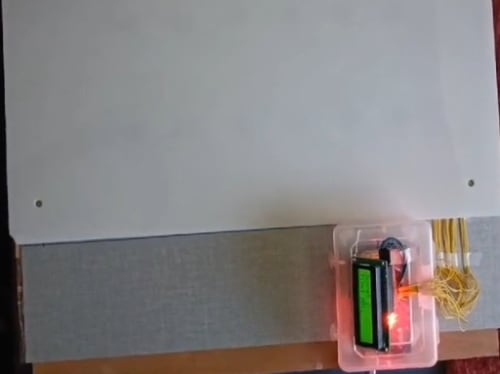
The Neuro-Reactive Training Module is an AI system built for the rehabilitation and improvement or recovery of cognitive and physical function in patients with neurological damage resulting from conditions such as stroke, traumatic brain injury, and disease. It works by applying real-time visual stimuli and reactive feedback training with the ultimate objective of enhancing neuroplasticity, reaction time,

Our Focus:
Current communication systems for paralyzed individuals primarily rely on assistive technologies such as eye-tracking devices, speech-generating systems, and muscle-based switches. These tools require some residual physical ability and often suffer from slow response times and limited vocabulary. In battlefield communication, soldiers typically rely on radio-based voice transmission or hand signals.

Introduction: NeuroLingua is an AI-powered headband utilizing EEG, neurostimulation, and machine learning to enhance and accelerate language acquisition.
Core Technology
EEG Sensors – Monitor brain activity.
AI Analysis – Detects learning patterns.
Neurostimulation – Boosts memory retention.
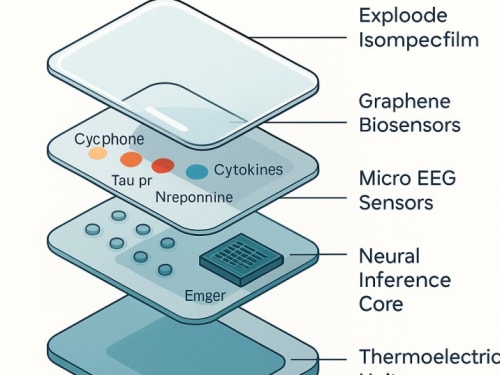
NeuroSapien: AI-Powered Nanopatch for Early Stroke and Neurodegenerative Detection
Stroke and neurodegenerative diseases such as Alzheimer’s, Parkinson’s, and multiple sclerosis are among the most devastating medical conditions globally, leading to millions of deaths and long-term disabilities each year. Early detection is the key to better outcomes, but current diagnostic tools are either prohibitively expensive (MRI, PET scans),

New Patent-Pending Technology for Intercellular Restoration
Many—if not all—medical conditions originate from disruptions at the cellular level. CarboMed has developed and tested a new patent-pending method for intercellular restoration. This breakthrough consists of two major components:
The creation of a novel therapeutic medical agent,
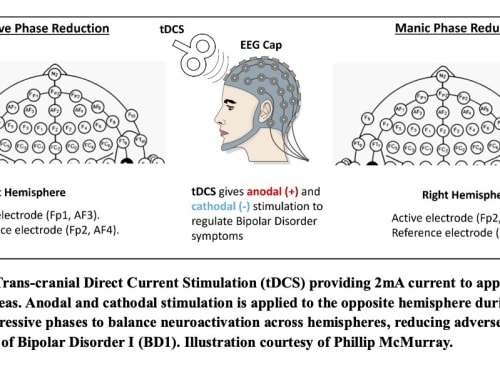
Bipolar Disorder 1 (BD1) victimizes nearly three million people in the U.S. alone. Moreover, the treatment for BD1, while ineffective for many patients, includes lithium and other drugs with onerous side effects. The suicide rate is very high. Nevertheless,

The Next-Gen Smart Wheelchair is an advanced mobility solution designed to empower individuals with physical disabilities, including visually impaired users. It integrates Braille-script controls for seamless navigation, ensuring inclusivity and ease of use. A GPS module with voice assistance enhances real-time location tracking, helping users navigate safely while allowing caregivers to monitor movement remotely.
.png)
There is a growing trend of increasing total power capacity and volumetric heat density in modern data centers. Next-generation electronic components generate high heat fluxes, requiring advanced and efficient cooling methods. The low energy efficiency of traditional air-based cooling systems is driving the shift toward immersion and liquid-based cooling solutions.
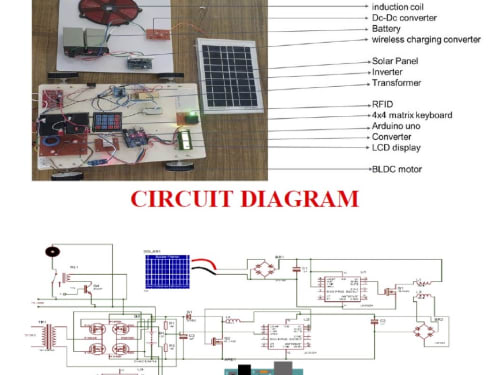
In response to the global demand for clean and efficient transportation infrastructure, our project introduces an innovative solar-powered wireless charging station for electric vehicles (EVs). This smart system integrates inductive charging, renewable energy utilization, and secure access control through RFID and keypad authentication, eliminating the need for physical connectors and reducing dependence on the electrical grid.
Page 24 of 44