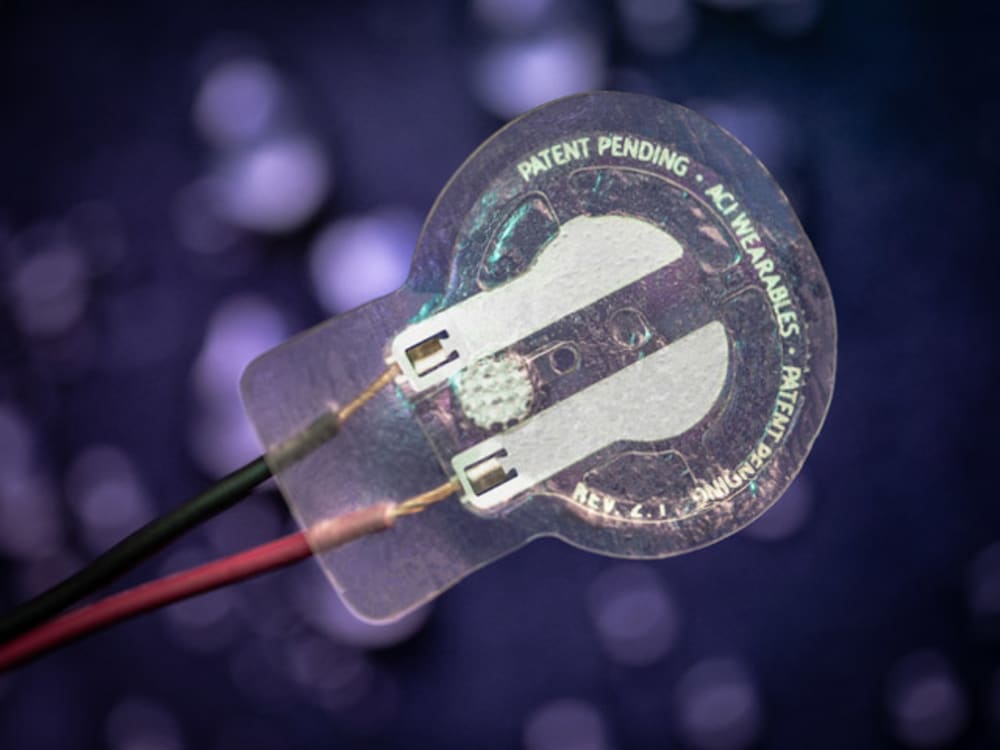
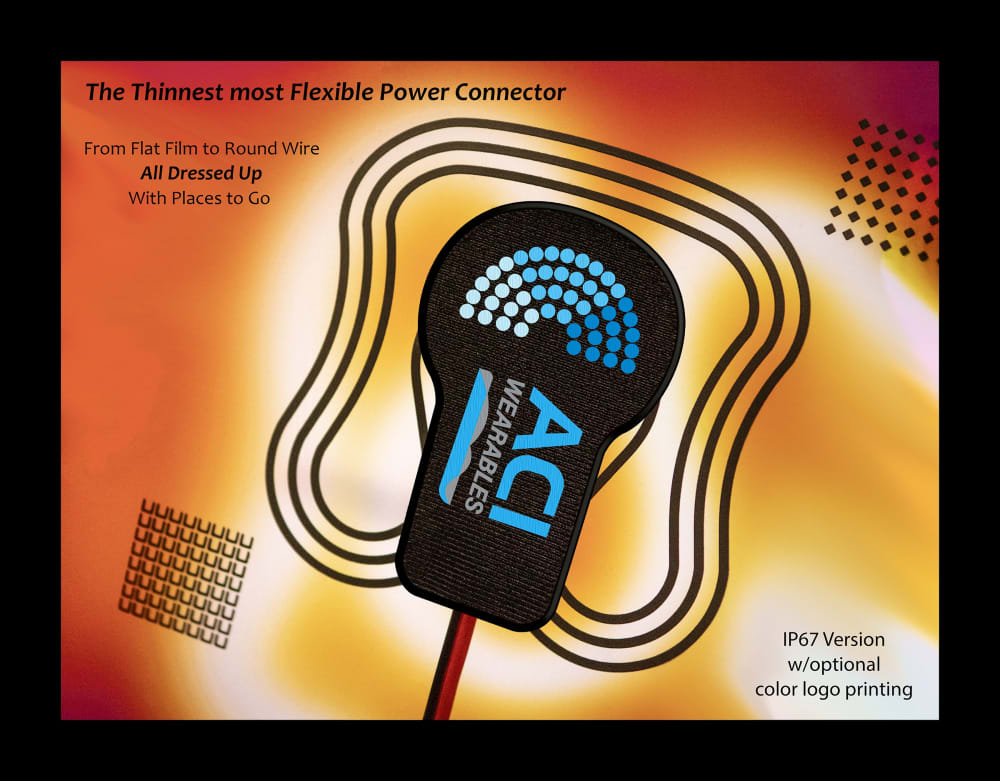
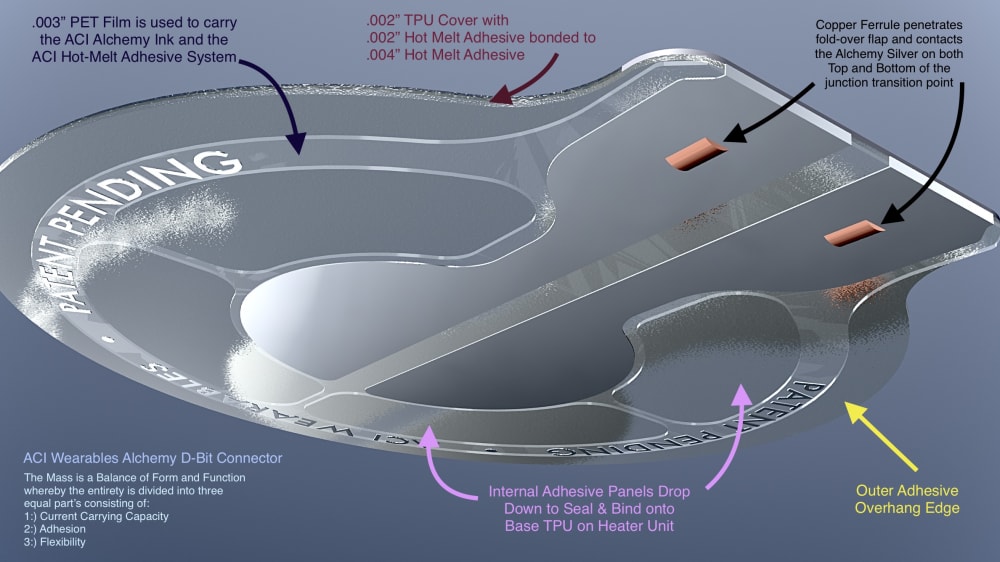
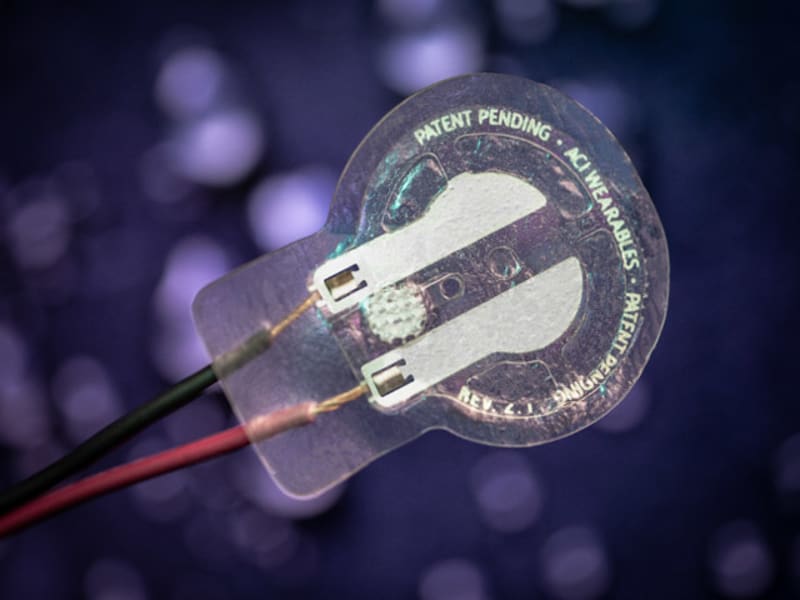
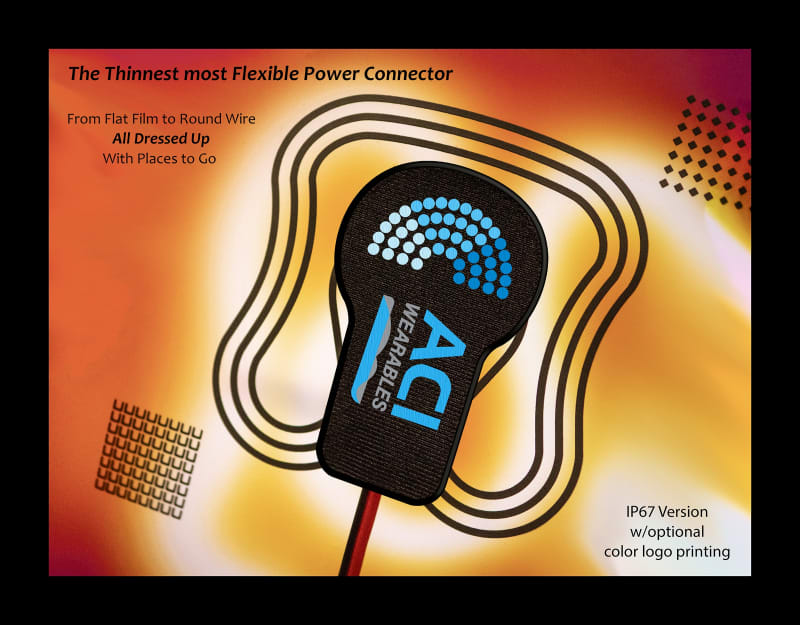
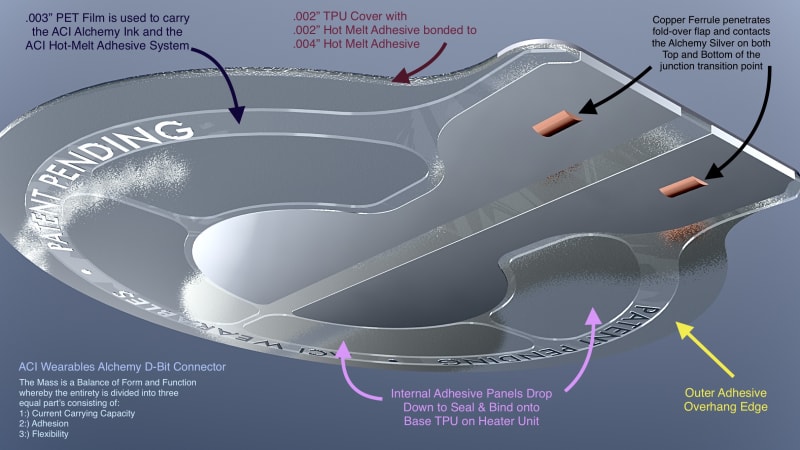

This is designed for Medical Wearables, Screen-Printed thin film heaters, Solar thin film cells, Perovskite on PET film, 5&6 G antenna arrays etched onto clear glass or clear thin film. It is designed specifically to spread heat while providing high dielectric insulation all while conforming to the human body without the wearer perceiving its presence. It’s several thin films until heat and pressure are applied and then will phase through liquid state to join as one monolithic thin solid flexible highly conductive power transfer device. It’s extremely flexible, extremely lightweight, extremely thin, waterproof and once phased, becomes a dielectric barrier between the power device and the wearer. It is meant for emergency blankets, hospital beds, medical aviation emergency responders. The inner silver circuit lines are capable of transferring data signals side by side along with the power. It is a screen-printed Semi-Sintered silver ink that liquifies at 150c and then cools to a solid silver wire.
I have personally used a common household iron to attach this connector to a Mxene impregnated nylon fabric with success.
Elegantly transitioning from ANY thin film flat conductive surface (even glass) to a solid wire and then to the mating end of your choice is now possible. All of this while passing the Princess and the Pea effect that most wearables suffer from. You can NOT feel this 100 micron thin film transition connector.
Like this entry?
-
About the Entrant
- Name:Michael Lefebvre
- Type of entry:teamTeam members:
- Software used for this entry:No
- Patent status:pending
