2025
Entries
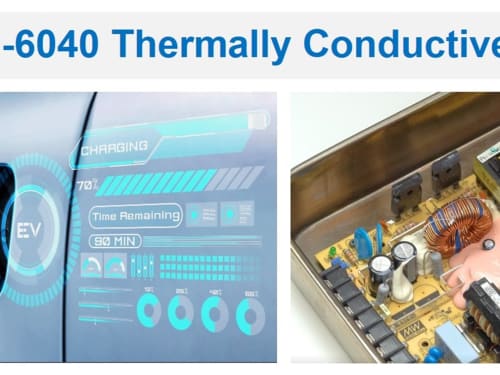
DOWSILTM TC-6040 is developed as 2-part thermal encapsulant with highest thermal conductivity 4W/mK to boost thermal dissipation in EV powertrain, which has been commercialized and formally launched in 2024.
With the fast-growing market of EV globally, the power electronics are rising focus on higher power energy design due to required faster charging and higher energy battery.

A number of tactile methods were implemented for use by blind people since Braille alphabet was invented. Braille alphabet is difficult to recognize by average person.
This document describes mechanical implementation of electronic displays used in numerous devices such as calculators, public displays, etc.

SoapStandle is a patented, category-defining solution that addresses a deceptively simple but globally significant problem: the waste, mess, and inefficiency of using bar soap. Designed to elevate sustainability, functionality, and user experience, SoapStandle transforms the way consumers engage with bar soap, making it cleaner, longer-lasting, and far more appealing in the modern hygiene routine.

The major breakthroughs in internal combustion engine technology have been around optimizing the breathing capacity of an engine. However, the breathability has reached a saturation point, resulting in no recently significant improvements in engine performance. This plateau is largely due to the size of the intake and exhaust valves being constrained by the bore of the cylinder.
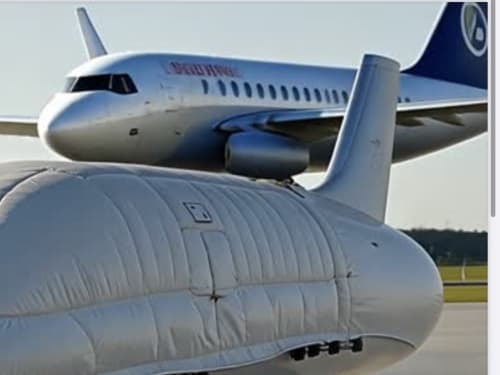
The HWDS is an innovative, autonomous ground-based (and future airborne) system designed to assist aircraft during emergency landings caused by landing gear failure. This mobile unit features a hydraulic wheel platform equipped with advanced cushioning—combining inflatable airbag-like structures and non-Newtonian materials—for shock absorption upon contact. Integrated robotic arms securely attach to the fuselage or gear assembly,

This system for lifting up dog poops is different from all the others, since once your pet has done its own, you don't have to bend down to pick up the poop. With this device you pick it up and at once you seal the bag with electricity, without knots or direct contact.
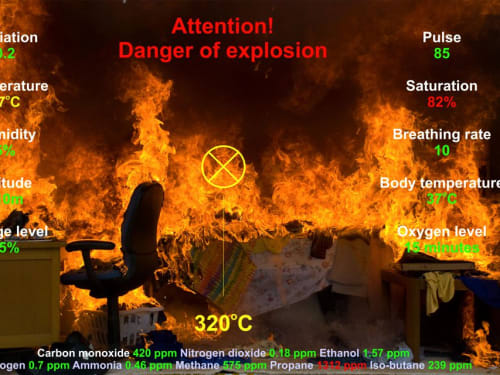
We have developed a modular personal telemetry device. It allows you to determine a person's physiological data and environmental parameters. The system consists of two modules. One of them is attached to the patient's chest with a special strap. Its design includes built-in electrodes for measuring ECG, skin resistance, and chest expansion.

Modern portable devices such as computers, monitors, come with power adapters that work between 100V and 240V, 50Hz or 60Hz. However,
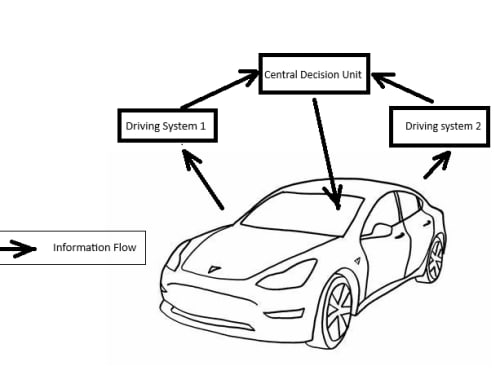
The idea is that multiple (at least two) independent automatic/autonomous/smart driving systems should be installed on a vehicle. When driving, each system produces independent driving instruction/command. The instructions are sent to the central decision unit. If all the instructions agree, the instruction gets executed. If not, a conflict resolving mechanism could be implemented to determine what to do.

Page 39 of 44