2024
Sustainable Technology
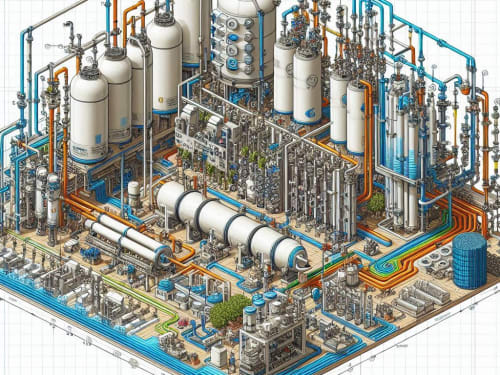
Desalinization, or desalination, is the process of removing salts and minerals from saline water to produce water suitable for human consumption or irrigation. There are two main types of modern desalination techniques: thermal (distillation) and membrane technologies. While desalination is more commonly associated with large-scale operations, there are also domestic systems available that can be used in households.
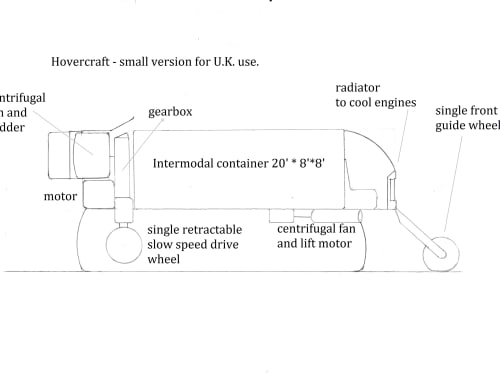
This small version of the hovercraft would be used for transporting one inter-modal container, or curtain sided goods load, or passengers. It would provide efficient transport on motorways and other major roads and would run on alcohol, a clean fuel. Bio diesel, produced from Rape seed oil, would be reserved for farm vehicles.

Cold fusion, combining protons (i.e., hydrogen nuclei or ions at or near room temperature) for usable heat is a promising approach for the future of energy. It can reduce our planet's reliance on fossil fuels, reducing pollution and other environmental issues (e.g., oil spills). However, the challenges lie in developing an appropriate,
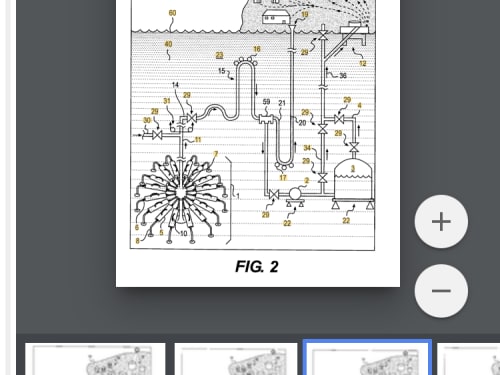
Deep sea pressures ( minimum 27 bar or 270 m deep ) were utilized to produce fresh ( not salty ) water bu using the existing membrane system . Theoretically the pump pressure ( required energy ) to put into a steady flow operation is near to 27 bar or over head pressure of the sea water.

Government across the world is encouraging the research and usage of alternate fuels but there is no testing facility easily available and even very hard one with a jet engine.
To Provide
Portable and easily accessible alternate fuel testing laboratory for engineering colleges and universities,
government labs and research labs.

Passive systems are a type of design that uses natural processes to cool/heat a building without the use of mechanical/electrical systems. The system is composed of solar collector towers (air heater) and solar drying chambers. This system is designed to take advantage of both direct solar and convective heat flow to provide efficient and reliable drying.
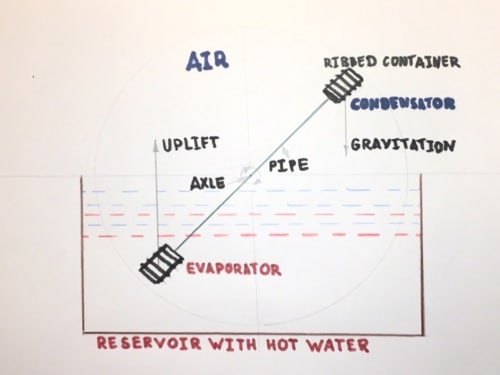
The project will allow converting low potential thermal energy into mechanical energy and then using mechanical energy to convert it into electric energy. Heat can be obtained from geothermal sources, direct solar heating, wind or any other sources.
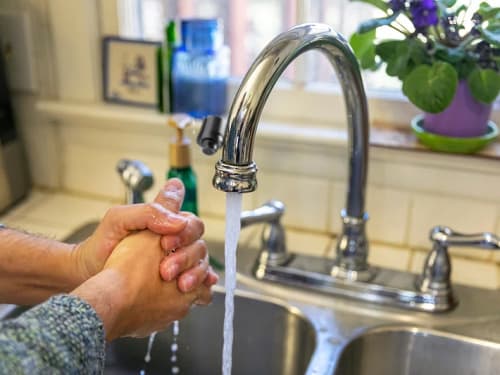
While washing dishes by hand, an idea came to mind - how much water and energy (to heat the water) could be saved by taking advantage of the power of modern control systems, machine vision and learning?
Page 9 of 9