Congratulations to Our 2025 Grand Prize and First Place Winners!
Imersiv, a breakthrough technology that improves audio performance by 100X compared to today’s very best audio equipment for applications ranging from sound engineering to space missions to medical imaging, was named the $25,000 grand prize winner at a live finalist round held November 7 in New York. Click here for the full list of winners. Also see the Top 100 highest scoring entries. Special thanks to our esteemed panel of judges.
Help build a better tomorrow
Since Tech Briefs magazine launched the Create the Future Design contest in 2002 to recognize and reward engineering innovation, over 16,000 design ideas have been submitted by engineers, students, and entrepreneurs in more than 100 countries. Join the innovators who dared to dream big by entering your ideas in our 2026 contest opening March 1.
Read About All the 2024 Winning Inventions
Special Report spotlights the eight amazing winners in 2024 as well as honorable mentions in each category, plus the top ten most popular entries as voted by our community.
Click here to read moreA ‘Create the Future’ Winner Featured on ‘Here’s an Idea’
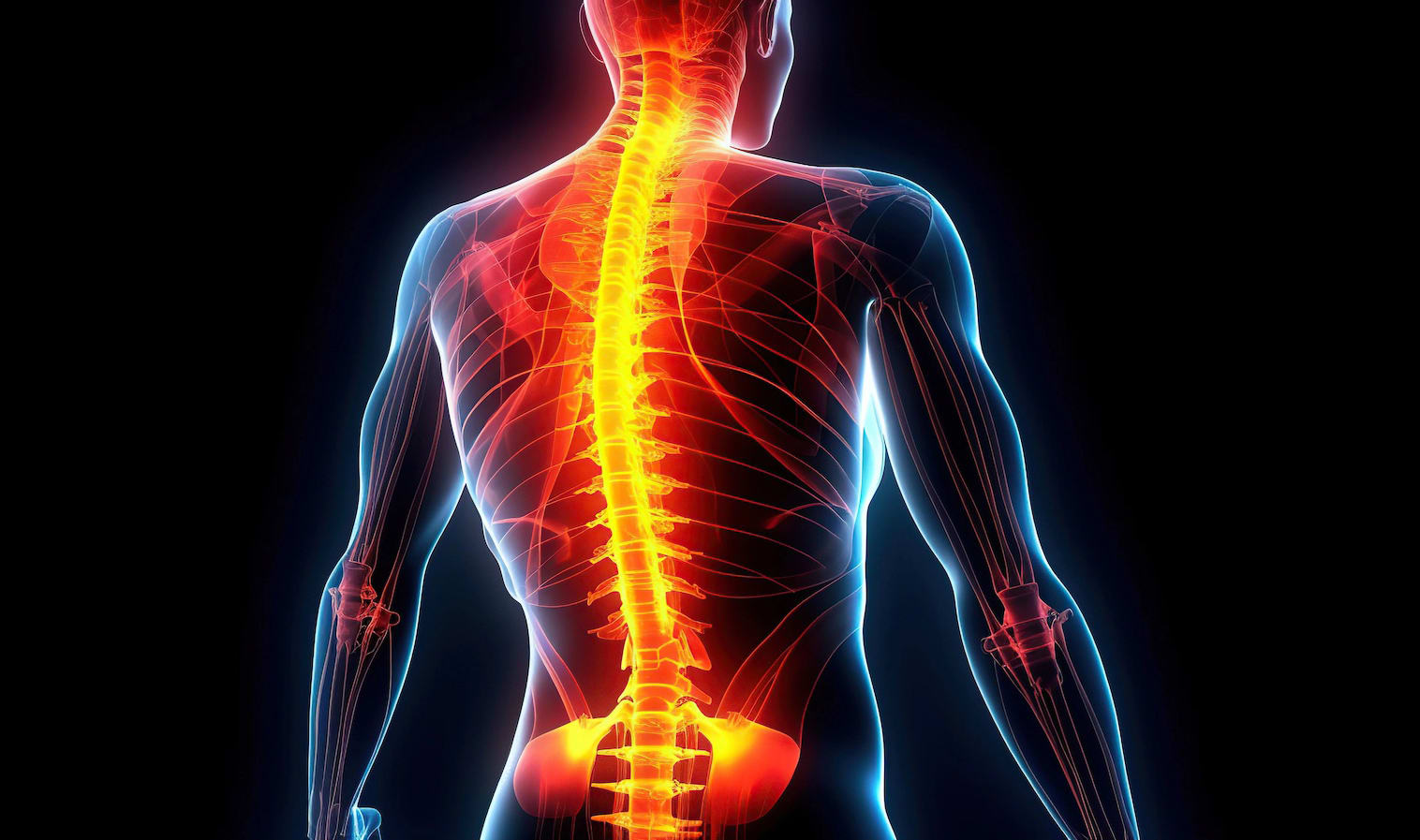
Spinal cord injury affects 17,000 Americans and 700,000 people worldwide each year. A research team at NeuroPair, Inc. won the Grand Prize in the 2023 Create the Future Design Contest for a revolutionary approach to spinal cord repair. In this Here’s an Idea podcast episode, Dr. Johannes Dapprich, NeuroPair’s CEO and founder, discusses their groundbreaking approach that addresses a critical need in the medical field, offering a fast and minimally invasive solution to a long-standing problem.
Listen nowThank you from our Sponsors
“At COMSOL, we are very excited to recognize innovators and their important work this year. We are grateful for the opportunity to support the Create the Future Design Contest, which is an excellent platform for designers to showcase their ideas and products in front of a worldwide audience. Best of luck to all participants!”
— Bernt Nilsson, Senior Vice President of Marketing, COMSOL, Inc.
“From our beginnings, Mouser has supported engineers, innovators and students. We are proud of our longstanding support for the Create the Future Design Contest and the many innovations it has inspired.”
— Kevin Hess, Senior Vice President of Marketing, Mouser Electronics
contest
Contest

Fiber Optic Photovoltaic Cell of my invention, solves the problem of mismatch layers of different semiconductors, also in real terms, allows you to use part of the long-term solar spectrum. The cell is constructed from semiconductive layers of specified intervals of energy applied to a side surface side by side on the transparent / fibre / core.
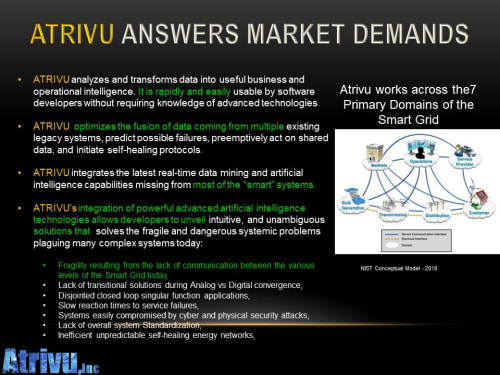
Atrivu Synthetic Intelligence SmartGrid Solution (ASISGS) truly brings smarts via cognition to our nation's and the world power grids. ASISGS is a cloud-based service that truly provides the smarts for the nation's power grids. The seven domains of the current "smart grid" include bulk generation, transmission, distribution, markets, operations, service provider and customer. All may connect with ASISGS.
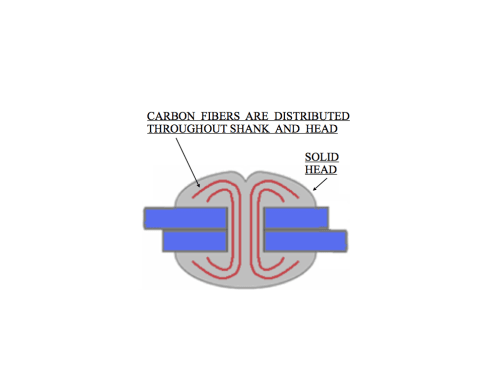
The rivet, a simple fastener that has been around forever. How about making
a rivet that is approximately one half the weight of an aluminum rivet
and nearly the same strength? Carbon fiber rivets are the answer.


Noise is not just a matter of comfort, but also a matter of health! Especially in industrialized regions, noise pollution was often an underestimated factor regarding its physical effects on human beings.
We developed the prototype of a sound insulation window with fully integrated innovative lowcost loudspeakers that solve the remaining problems of state-of-the-art windows.


NASA’s Langley Research Center is developing a robotic arm with lightweight joints that provide a wide range of motion. The envisioned design provides users with a long reach and numerous degrees of freedom. The arm, ideal for use in aquatic environments or for manipulation of light terrestrial loads, consists of articulating booms connected by antagonistic cable tension elements.

Sangi is a low cost robot which can perform localization and mapping of the environment without using any range sensors or vision. Our robot Sangi will navigate around the house while carrying blind or disabled people to different locations.
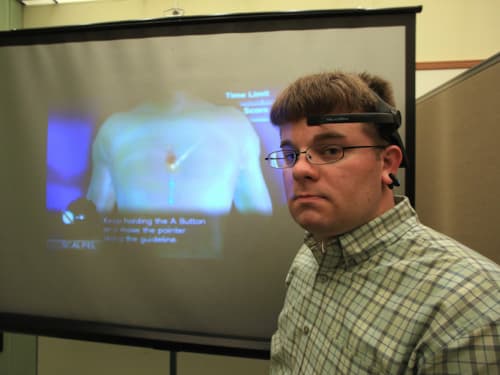
NASA’s Langley Research Center has developed a technology at the forefront of a new generation of computer and video game environments that train valuable mental skills, beyond eye-hand coordination, for the personal improvement, not just the diversion, of the user.
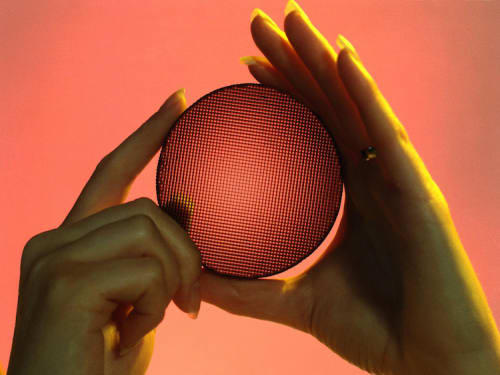
NASA Langley researchers, in work spanning more than a decade, have developed a portfolio of technologies for low-temperature gas catalysis. Originally developed to support space-based CO2 lasers, the technology has evolved into an array of performance capabilities and processing approaches, with potential applications ranging from indoor air filtration to automotive catalytic converters and industrial smokestack applications.

NASA Langley has developed a novel method of depositing metal and metal oxide nanoparticles onto various substrates (see ACS Nano, 3(4), 871–884 [2009]). It is rapid, scalable, and green since it does not require reducing agents or solvents. The process involves first mixing and then heating a metal salt (usually an acetate) with the desired substrate.

NASA’s Langley Research Center has developed a Floating Ultrasonic System for improved nondestructive testing. Most ultrasonic scanners require an external liquid coupling agent (e.g., water, gel, oil) to make a good contact between the probe and the surface being scanned. However, some surfaces are sensitive to moisture and/or contamination created by these agents.
Page 609 of 1029