Congratulations to Our 2025 Grand Prize and First Place Winners!
Imersiv, a breakthrough technology that improves audio performance by 100X compared to today’s very best audio equipment for applications ranging from sound engineering to space missions to medical imaging, was named the $25,000 grand prize winner at a live finalist round held November 7 in New York. Click here for the full list of winners. Also see the Top 100 highest scoring entries. Special thanks to our esteemed panel of judges.
Help build a better tomorrow
Since Tech Briefs magazine launched the Create the Future Design contest in 2002 to recognize and reward engineering innovation, over 16,000 design ideas have been submitted by engineers, students, and entrepreneurs in more than 100 countries. Join the innovators who dared to dream big by entering your ideas in our 2026 contest opening March 1.
Read About All the 2024 Winning Inventions
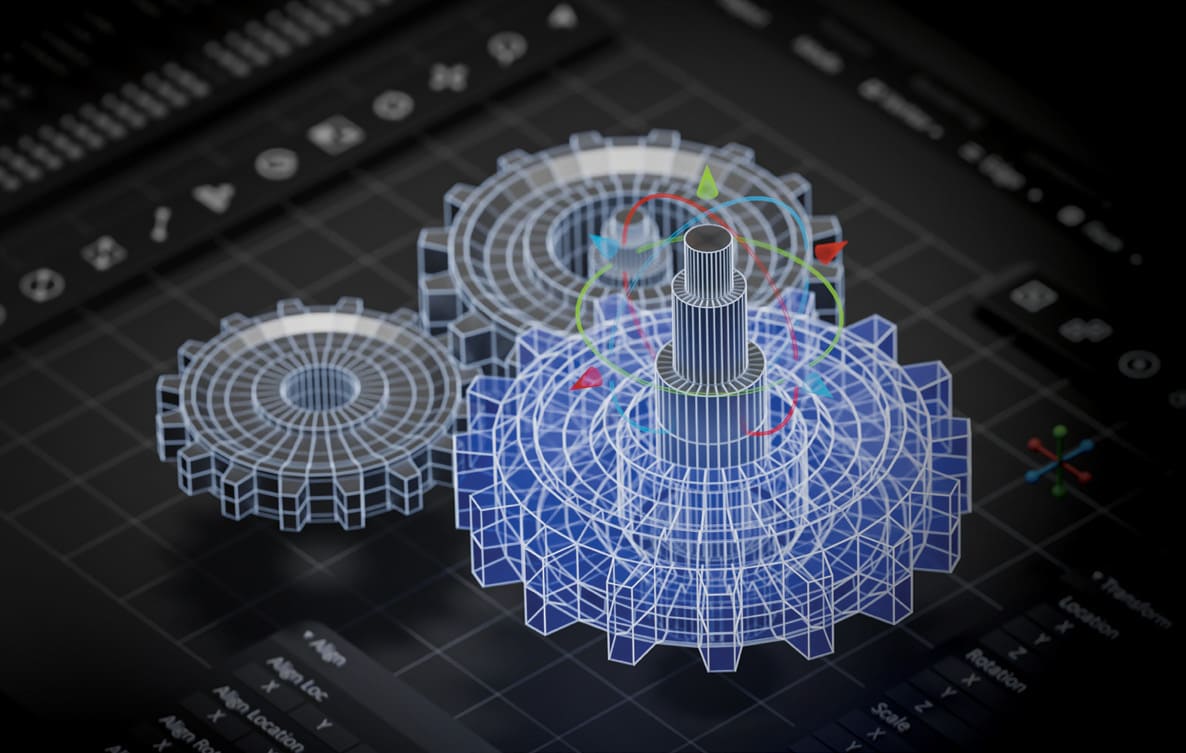
Special Report spotlights the eight amazing winners in 2024 as well as honorable mentions in each category, plus the top ten most popular entries as voted by our community.
Click here to read moreA ‘Create the Future’ Winner Featured on ‘Here’s an Idea’
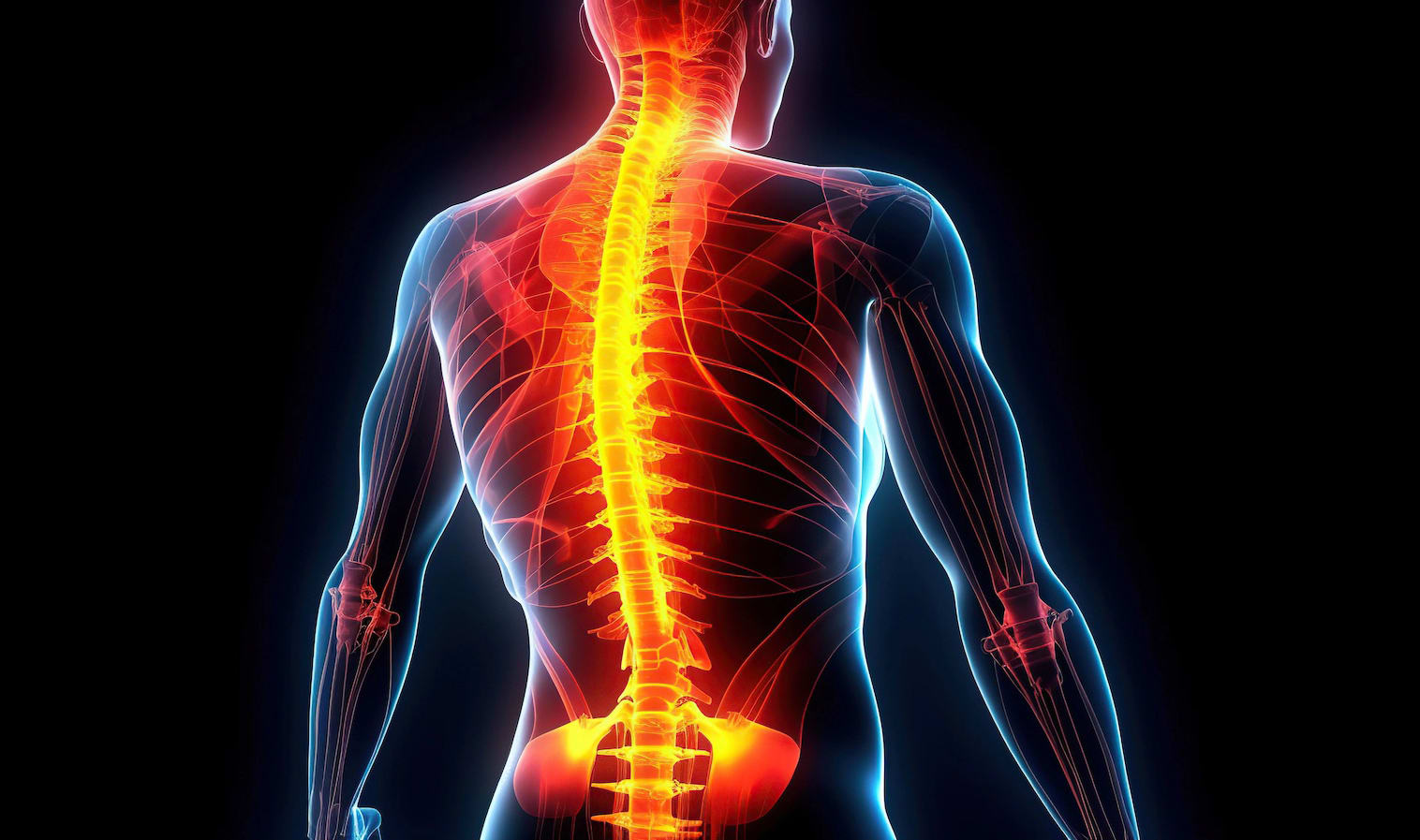
Spinal cord injury affects 17,000 Americans and 700,000 people worldwide each year. A research team at NeuroPair, Inc. won the Grand Prize in the 2023 Create the Future Design Contest for a revolutionary approach to spinal cord repair. In this Here’s an Idea podcast episode, Dr. Johannes Dapprich, NeuroPair’s CEO and founder, discusses their groundbreaking approach that addresses a critical need in the medical field, offering a fast and minimally invasive solution to a long-standing problem.
Listen nowThank you from our Sponsors
“At COMSOL, we are very excited to recognize innovators and their important work this year. We are grateful for the opportunity to support the Create the Future Design Contest, which is an excellent platform for designers to showcase their ideas and products in front of a worldwide audience. Best of luck to all participants!”
— Bernt Nilsson, Senior Vice President of Marketing, COMSOL, Inc.
“From our beginnings, Mouser has supported engineers, innovators and students. We are proud of our longstanding support for the Create the Future Design Contest and the many innovations it has inspired.”
— Kevin Hess, Senior Vice President of Marketing, Mouser Electronics
contest
Contest
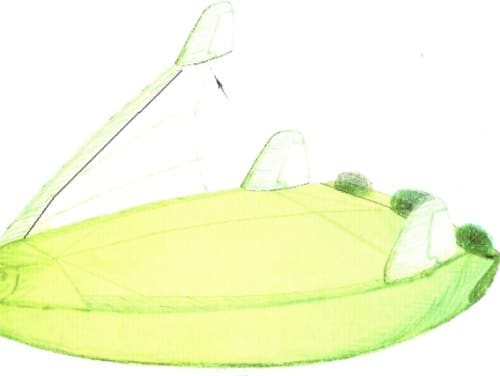
An innovative solution for the cosmic airplanes (spacecraft), for the sub-orbital salvage vehicles and also for the high speed airplanes, for all flying vehicles which necessitate a compact and robust body – atmospheric reentry (returning body) – at great altitudes and speed, respectively a maximum surface of wing spread and prolongation when landing.
As visible in drawing nr.

MERSEA is a transport vessel for marine aquaculture systems, with the primary goal to re-establish large shoals of marine fish.
The method behind MERSEA is primarily the incremental restoration of depleted marine resource overtime. The vessel includes various hatcheries for marine organisms, including but not limited to fish, crustaceans and molluscs.
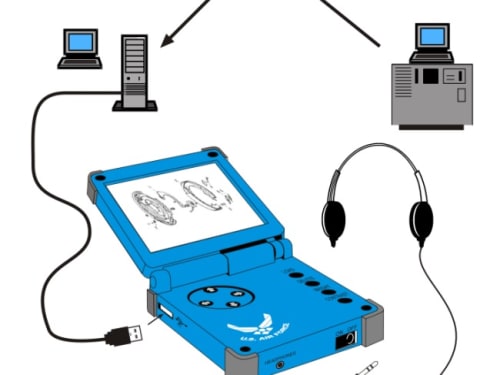
A battery power handheld portable secure data-information audio-video playback bookwork monitor tool, USB cord, desktop PC, main computers and satellite combination and method for making life work simpler while fast forwarding developing technology advance utility for displaying electronic data-information that will replace today’s text printed on paper in a book, technical diagrams, technical and procedures manuals,


One of the dreams of handicapped people is to regain their mobility. It is sad that for many of them this is an elusive dream.
For many years wheelchairs have helped disabled people to some extent. According to the Wheelchair Foundation, “It is estimated that at least 100 million children, teens and adults worldwide need a wheelchair.
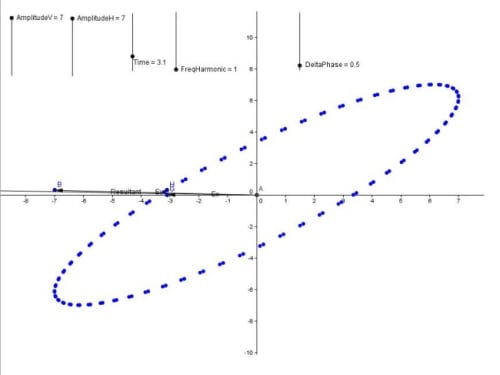
A single Opto-Electronic, Non-Volatile Memory Cell (OENVM) capable of storing 16-Bits of data in a small (n scale) could result in fast, compact, memory storage for future computers.
Being able to modulate light’s properties (e.g. frequency, intensity, polarization, phase, etc.
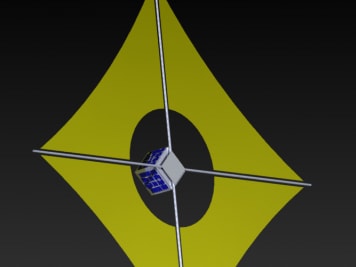
The Attitude Control and Aerodynamic Drag Sail (ACADS) is a gossamer structure intended to be deployed on a nanosatellite once the spacecraft is on orbit.
The sail is deployed using compressed nitrogen that inflate telescoping booms. Once deployed, the sail has a cross-sectional area of ten square meters.

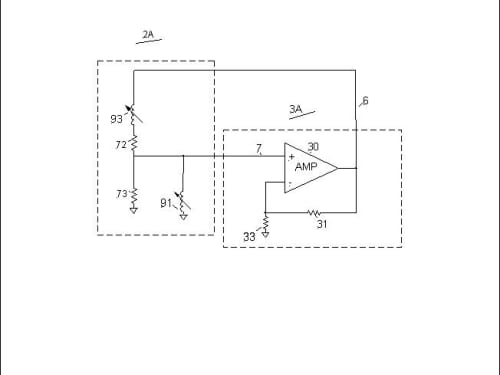
This is a unique new approach for Voltage References, not based on zener or bandgap use, that can be built using Bipolar, JFET, or MOS process technologies. The voltage output level is determined by the ratio of resistors, capacitors or inductors. Absolute part values, transistor gain, and offset are not critical.
This sensor differentiates between most ferrous and nonferrous metals, therefore identifying the potential for hazardous sparking tools without subjecting them to a common test - the grinding wheel. Nonferrous metals are considered "Non-sparking," “spark reduced,” "spark-resistant" or "spark-proof.
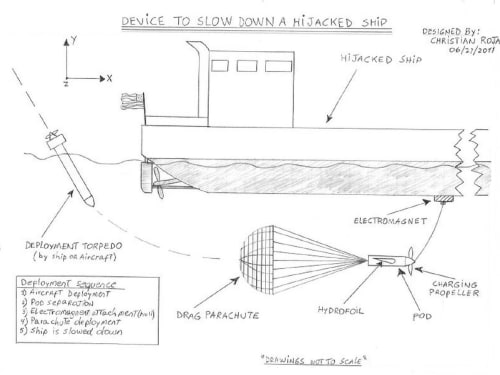
This system will help in slowing down a hijacked marine vessel escaping from authorities. The simple theory behind this invention is based on using the dynamic principle of “Impulse and Momentum.”
This system can be deployed by an aircraft or a ship in pursuit of a target vessel. Once the deployment craft is within range,

InvisiTower is a persistent, rapidly deployable aerial platform for surveillance and communications. It consists of a small unmanned aerial vehicle that is connected by a tether to a power source on the ground. The platform can remain aloft and stationary indefinitely, carrying a payload of cameras, sensors, or communication repeaters. Thus,
Page 907 of 1029