Congratulations to Our 2025 Grand Prize and First Place Winners!
Imersiv, a breakthrough technology that improves audio performance by 100X compared to today’s very best audio equipment for applications ranging from sound engineering to space missions to medical imaging, was named the $25,000 grand prize winner at a live finalist round held November 7 in New York. Click here for the full list of winners. Also see the Top 100 highest scoring entries. Special thanks to our esteemed panel of judges.
Help build a better tomorrow
Since Tech Briefs magazine launched the Create the Future Design contest in 2002 to recognize and reward engineering innovation, over 16,000 design ideas have been submitted by engineers, students, and entrepreneurs in more than 100 countries. Join the innovators who dared to dream big by entering your ideas in our 2026 contest opening March 1.
Read About All the 2024 Winning Inventions
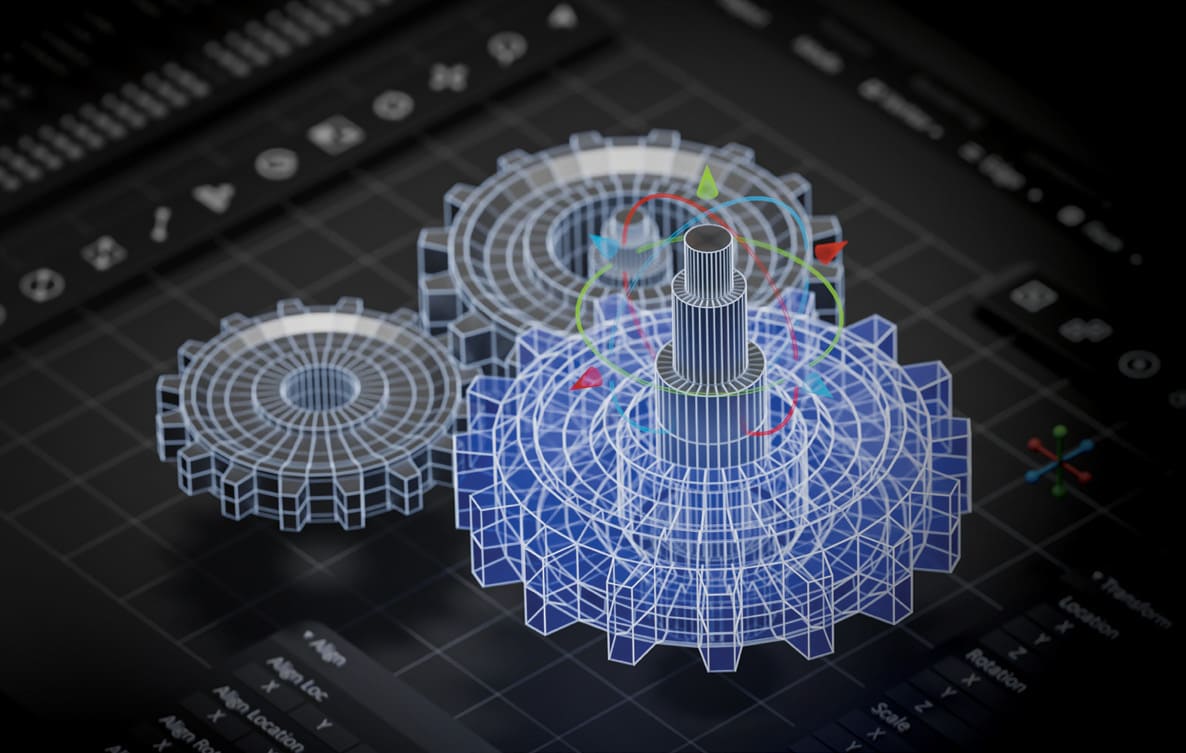
Special Report spotlights the eight amazing winners in 2024 as well as honorable mentions in each category, plus the top ten most popular entries as voted by our community.
Click here to read moreA ‘Create the Future’ Winner Featured on ‘Here’s an Idea’
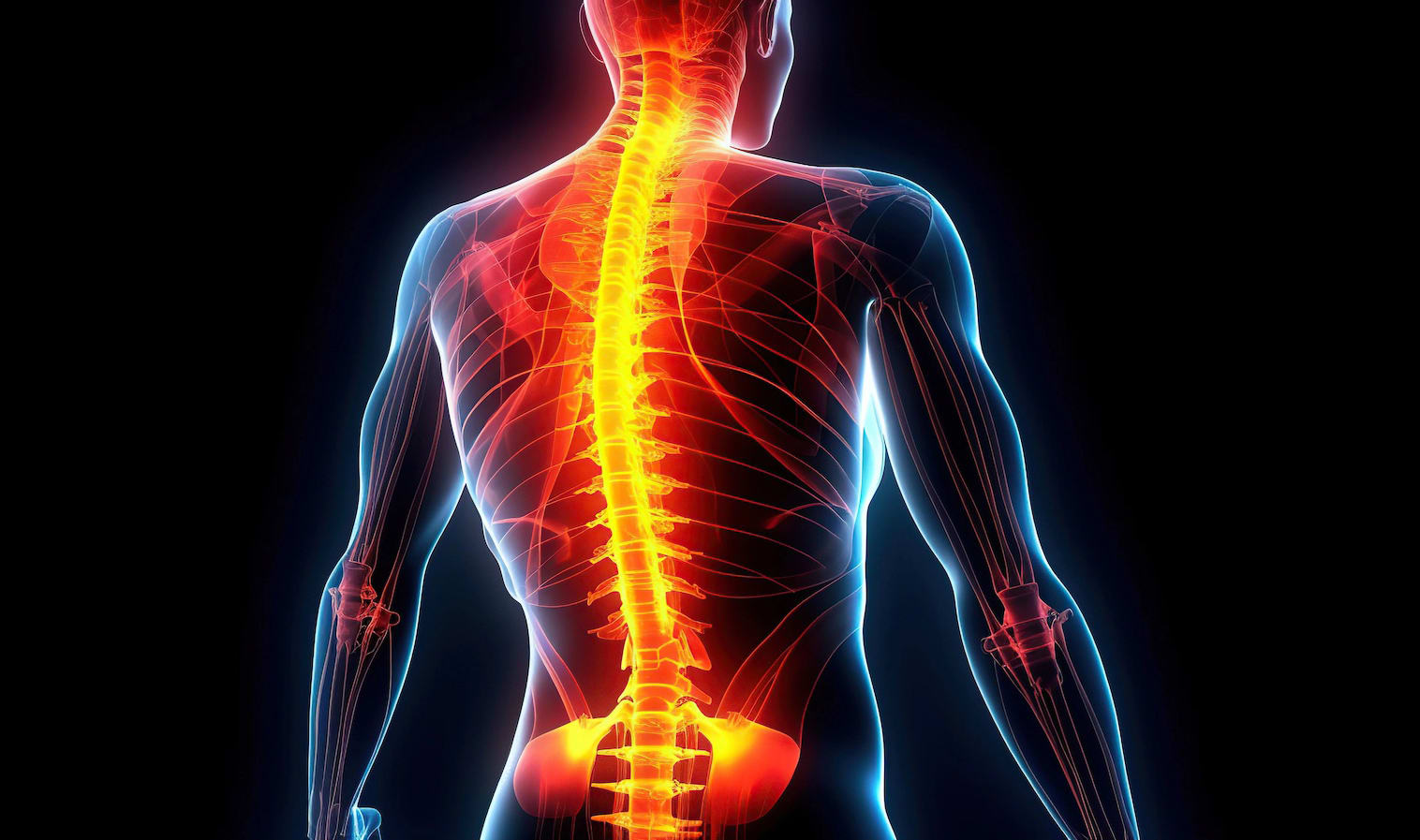
Spinal cord injury affects 17,000 Americans and 700,000 people worldwide each year. A research team at NeuroPair, Inc. won the Grand Prize in the 2023 Create the Future Design Contest for a revolutionary approach to spinal cord repair. In this Here’s an Idea podcast episode, Dr. Johannes Dapprich, NeuroPair’s CEO and founder, discusses their groundbreaking approach that addresses a critical need in the medical field, offering a fast and minimally invasive solution to a long-standing problem.
Listen nowThank you from our Sponsors
“At COMSOL, we are very excited to recognize innovators and their important work this year. We are grateful for the opportunity to support the Create the Future Design Contest, which is an excellent platform for designers to showcase their ideas and products in front of a worldwide audience. Best of luck to all participants!”
— Bernt Nilsson, Senior Vice President of Marketing, COMSOL, Inc.
“From our beginnings, Mouser has supported engineers, innovators and students. We are proud of our longstanding support for the Create the Future Design Contest and the many innovations it has inspired.”
— Kevin Hess, Senior Vice President of Marketing, Mouser Electronics
contest
Contest

This project presents the development of an assessment module movement patterns used by unmanned surface vehicles – USVs, to provide support for naval operations. Also, it presents a methodology that integrates an Operational Situation (OPSIT) in order to evaluate different patterns and sensors used by these kind of vehicles to achieve an Anti-Submarine (ASW) mission.
This OPSIT,
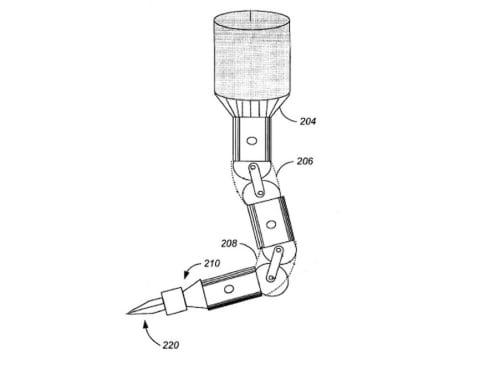

NASA’s Jet Propulsion Laboratory has developed a robot-assisted microsurgery (RAMS) system to allow surgeons to do the impossible and perform surgical procedures beyond the capability of human hand dexterity. A surgeon operating a RAMS system can feel soft tissues with greater sensitivity and can manipulate surgical tools with greater exaggeration and precision.

ABSTRACT:
In present scenario we have more challenges with global warming due to pollution from engines being used in industries, automobiles etc. Also the scarcity of fossil fuels has made engineers to focus on alternate. This invention follows the same path in replacing conventional fossil fuel engines.
The invention relates to “Magnetic Engine”

The radiation from the Sun is the primary source of energy to Planet Earth for its various forms of life and their activities. When the energy flux from the Sun passes through the atmosphere a substantial part of it is absorbed by its greenhouse gases, of which the major ones are: water vapor (H2O), carbon dioxide (CO2),
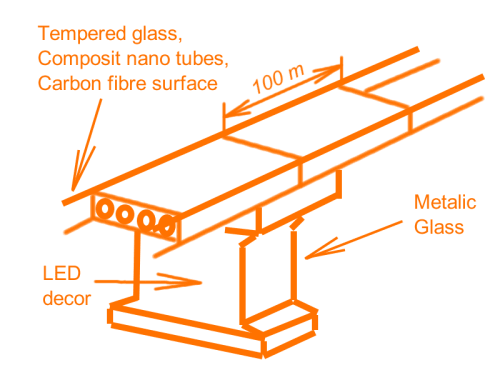
There are some needs of better transport routes for Eastern Europe. For the moment on the roads of Eastern Europe there is the strict limitation of speed on the level of maximum 130 km/h. This rule was set because of the old style roads that were built by the former USSR.

NASAs Kennedy Space Center has developed a novel method for the in situ removal of PCBs found in sediment systems. The technology consists of a redeployable polymer blanket that attracts and absorbs PCBs. Seeking to avoid the pitfalls of current methods for handling PCB-contaminated sediments, NASA researchers developed a two-step approach for removing and treating the PCBs.

NASAs Kennedy Space Center has developed a novel ruggedized housing for an electrical or fluid umbilical connector that prevents intrusion of dust, sand, dirt, mud, and moisture during field use under harsh conditions. The technology consists of a pair of hand-sized protective umbilical interface housings, each containing a connector with an integrated end cap.
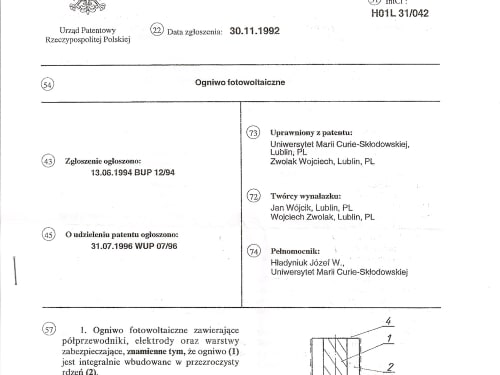
Power Module, the electric drive powered laser beam is based on my patent - Fiber Photovoltaic Cell.
The module is built from multiple Fiber Photovoltaic Cells, arranged in parallel in the form of three-dimensional example cuboid. The dimensions of the module can be arbitrary and so 1m x 1m x 1m module size,

Sleeved Shock Absorber
The concept here is to have a shock absorber that is simple to manufacture and yet can have a variable area orifice for a desired fluid restriction along the entire travel of the piston. This will allow having a lower restriction in the mid position of the shock absorber range allowing for a smoother,
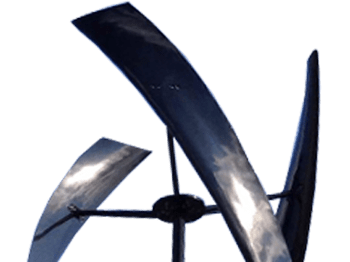
As apart of our final year project, our team is working to set up vertical axis wind turbines(VAWT) along sides of railway tracks. We intend to utilize the gust of wind produced by trains moving by to move these vertical axis wind turbines and generate electricity.
Page 606 of 1029