Congratulations to Our 2025 Grand Prize and First Place Winners!
Imersiv, a breakthrough technology that improves audio performance by 100X compared to today’s very best audio equipment for applications ranging from sound engineering to space missions to medical imaging, was named the $25,000 grand prize winner at a live finalist round held November 7 in New York. Click here for the full list of winners. Also see the Top 100 highest scoring entries. Special thanks to our esteemed panel of judges.
Help build a better tomorrow
Since Tech Briefs magazine launched the Create the Future Design contest in 2002 to recognize and reward engineering innovation, over 16,000 design ideas have been submitted by engineers, students, and entrepreneurs in more than 100 countries. Join the innovators who dared to dream big by entering your ideas in our 2026 contest opening March 1.
Read About All the 2024 Winning Inventions
Special Report spotlights the eight amazing winners in 2024 as well as honorable mentions in each category, plus the top ten most popular entries as voted by our community.
Click here to read moreA ‘Create the Future’ Winner Featured on ‘Here’s an Idea’
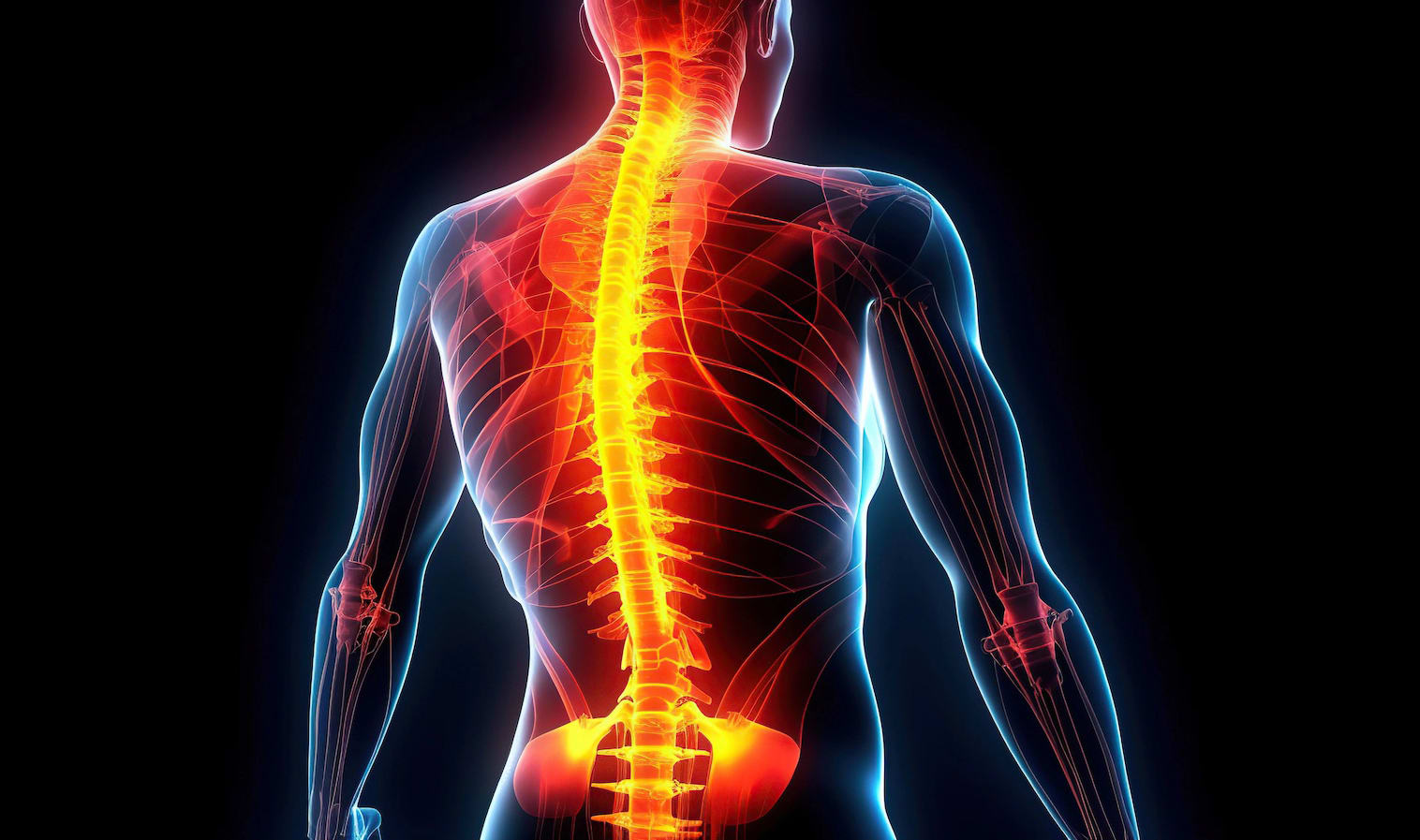
Spinal cord injury affects 17,000 Americans and 700,000 people worldwide each year. A research team at NeuroPair, Inc. won the Grand Prize in the 2023 Create the Future Design Contest for a revolutionary approach to spinal cord repair. In this Here’s an Idea podcast episode, Dr. Johannes Dapprich, NeuroPair’s CEO and founder, discusses their groundbreaking approach that addresses a critical need in the medical field, offering a fast and minimally invasive solution to a long-standing problem.
Listen nowThank you from our Sponsors
“At COMSOL, we are very excited to recognize innovators and their important work this year. We are grateful for the opportunity to support the Create the Future Design Contest, which is an excellent platform for designers to showcase their ideas and products in front of a worldwide audience. Best of luck to all participants!”
— Bernt Nilsson, Senior Vice President of Marketing, COMSOL, Inc.
“From our beginnings, Mouser has supported engineers, innovators and students. We are proud of our longstanding support for the Create the Future Design Contest and the many innovations it has inspired.”
— Kevin Hess, Senior Vice President of Marketing, Mouser Electronics
contest
Contest

Present day cars include a ton of features for safety like airbags, ABS, ESP, to name a few. All these are electronic controlled as they receive their signals from external environment through various sensors placed on the body, for example cameras, lasers, proximity sensors, etc.


NASA’s Langley Research Center developed a new technique that enables the preparation of metal/composite hybrid laminates, also known as fiber-metal laminates (FML), through a one-step processing method. Currently FMLs are prepared by a compression process using a press or autoclave with metallic layers sandwiched between layers of glass or graphite prepreg (preimpregnated fibers with a matrix resin).
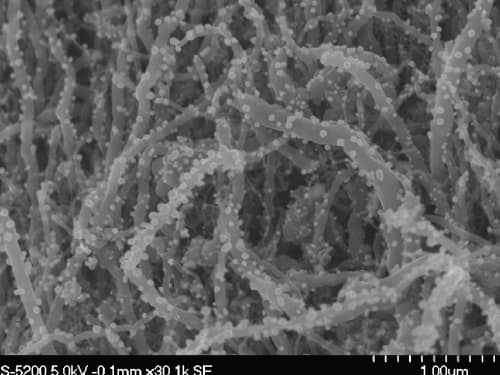
NASA’s Langley Research Center has developed a novel method of depositing metal and metal oxide nanoparticles onto various substrates (see ACS Nano, 3(4), 871–884 [2009]). It is rapid, scalable, and green since it does not require reducing agents or solvents. The process involves first mixing and then heating a metal salt (usually an acetate) with the desired substrate.

The CertAlert Pendant makes it impossible for the wearer to forget to take their medication! It's also easy to use, attractive, and it's affordable.
The pendant alarms at the time medications are to be taken. The alarm is subtle at first and then builds in intensity if medication are not taken.
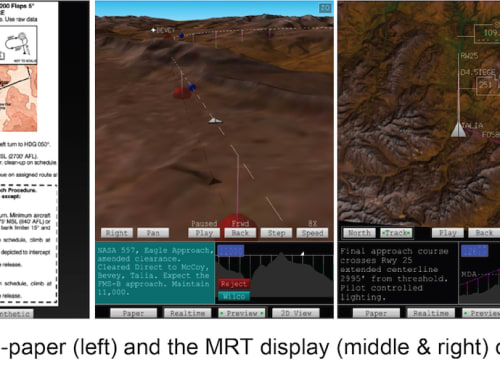
NASA’s Langley Research Center has developed a synthetic 3D visualization flight display, which presents flight data information in an intuitive way using 3D computer graphic capabilities. The flight crew can preview and rehearse flight maneuvers in a realistic environment. The display also provides an unimpeded visualization of the surrounding environment in the case of inclement weather,

NASA’s Langley Research Center offers a novel lifting and precision positioning device with hybrid functional characteristics of both crane-type lifting devices and robotic manipulators. The design of the Lunar Surface Manipulation System (LSMS) allows for fine positioning with complete control over both translation and rotation of the payload. In addition,
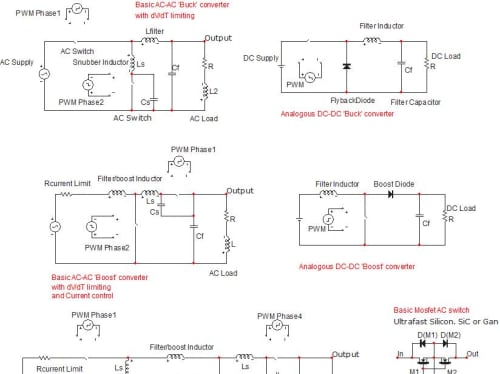
Transformers are used throughout the world as a means of changing the AC supply voltage. However these are imperfect solutions as they have substantial no-load losses, are less efficient at both high and low loads, have significant regulation with load (and the line out follows input line changes),
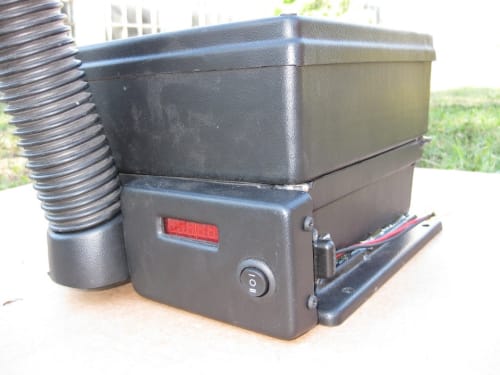
Contemporary conception of “ecologically clean” vehicle (ECV) is based on minimization of harmful substances (HS) emission to the atmosphere. However, at present, the improving of the air quality inside a car compartment (CC) is a more priority task. Modern cabin filters do not clean air from nitrogen oxides, carbon monoxide and other priority HS,
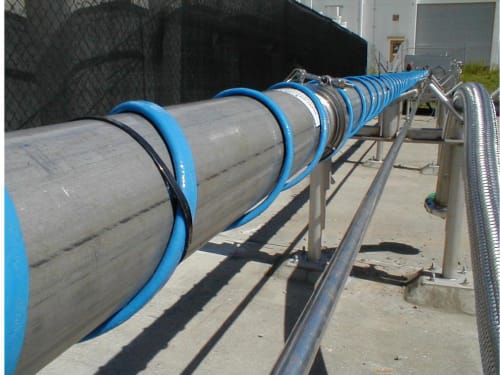
NASA seeks to license its Layered Composite Insulation (LCI) technology for use in commercial applications. Designed by the Cryogenics Test Laboratory at the John F. Kennedy Space Center (KSC) in Florida, this easy-to-use system can benefit multiple industries that depend on regulation of low temperatures in equipment and products. The synergistic effect of improvements in materials, design,

NASA seeks to license a patented non-toxic environmentally safe flame suppressant. The technology was developed at the Kennedy Space Center (KSC) to replace KSCs current halon flame suppressants. Unlike halon, this invention is not only non-toxic but also does not deplete the ozone, which contributes to stratospheric ozone destruction.
Page 607 of 1029